

Technology in the Courtroom: Body Cameras, Dashcams, & Mobile Phone Evidence in Delaware Criminal Cases
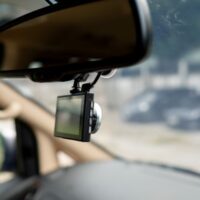
It’s becoming increasingly common to see video evidence in modern trials. Police will use body cameras and smartphone footage, which can be damaging to either side of the case. While these tools tend to bring transparency and accuracy to criminal proceedings, they can also raise complex legal questions concerning privacy, authenticity, and your constitutional rights.
The rise of video evidence
Over the past decade, cameras have become nearly ubiquitous. Law enforcement agencies across the State of Delaware rely heavily on body-worn cameras (BWCs) and patrol car dashcams to document their interactions with the public. At the exact same time, civilians are also recording arrests, traffic stops, and incidents on their phones. Such recordings serve as powerful pieces of evidence in many cases.
Such footage can be invaluable to defendants. A dashcam video could show that an officer lacked probable cause before a stop, or bodycam footage could contradict a key element of the prosecution’s story. In many cases, a single video can mean the difference between being convicted and acquitted.
Admissibility and authentication
On the other hand, not all digital recordings make it into evidence. Before a video can be shown to the jury, the court must determine that it’s relevant and not unfairly prejudicial. Authentication generally requires proving that the video is what it says it is—that it hasn’t been tampered with or altered in any way.
The process is technical. Metadata, timestamps, GPS coordinates, and chain of custody documentation often play major roles in establishing authenticity. Defense lawyers in Delaware have to be ready to scrutinize how the footage was captured and handled. Even small lapses (such as gaps in recording or unexplained file edits) can cast doubt on the reliability of the evidence.
Constitutional and privacy concerns
Digital evidence, among other things, also raises important questions concerning our constitutional rights. Under the Fourth Amendment, citizens have the right to be free from unreasonable searches and seizures. Over the years, courts have held that accessing data from a cell phone generally requires a warrant. In a similar vein, the use of surveillance or recording technology by law enforcement must comply with privacy and consent laws.
In many cases, a skilled defense lawyer can challenge evidence obtained in violation of the Fourth Amendment. A defense attorney can petition the court to suppress evidence that was illegally gained. If officers view cell phone videos without a warrant or consent, that evidence could be excluded from trial.
The defense’s perspective
Prosecutors often rely on technology to build their cases. Defense lawyers, on the other hand, can leverage the same tools to uncover inconsistencies in the prosecution’s version of events. Reviewing footage frame by frame can reveal important context that police reports will omit. This can include voice, body language, or environmental factors.
Talk to a Wilmington, DE, Criminal Defense Lawyer Today
Michael W. Modica represents the interests of Wilmington residents who have been charged with serious crimes. Call our Wilmington criminal defense lawyers today to schedule an appointment, and we can begin discussing your next steps right away.