

Can Police Use Facial Recognition Technology in Delaware Criminal Investigations?
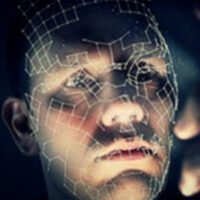
Facial recognition technology has been around for a while, but recent advances in AI have made it much more accurate than before. The tech works by comparing images from surveillance cameras, social media, and other resources so law enforcement has more information to work with during an investigation. That being said, the technology is not without its shortcomings. If you’re facing criminal charges in Delaware, you should understand how facial recognition software can be used and challenged.
How does facial recognition technology work?
Basically, facial recognition software can analyze your facial characteristics. This includes elements like distance between your eyes, your nose’s shape, or other biometric data. Such measurements are compared to known images in the database, such as driver’s license photographs, mugshots, or other legally accessible records.
Instead of producing one result, the technology produces a list of possible matches. Investigators are required to do additional work when using AI-assisted facial recognition.
Is facial recognition evidence enough to convict someone?
No, it can’t be used exclusively to prove a crime. Prosecutors would also rely on evidence, such as:
- Witness testimony
- Surveillance video
- Cell phone records
- DNA or fingerprint evidence
- Physical evidence recovered during an investigation
On the other hand, facial recognition can provide police with probable cause to initiate an investigation if your name ends up on the list.
The technology is not perfect
Even with artificial intelligence calling the shots, facial recognition systems are not free of error. Numerous factors can reduce their accuracy. These include:
- Poor lighting or low-quality surveillance footage
- Partial facial obstructions, such as hats or masks
- Extreme camera angles
- Similar-looking individuals
- Outdated reference photographs
In addition to these concerns, facial recognition also tends to produce higher error rates for those with darker skin. Defense attorneys will generally scrutinize any facial recognition evidence and how it was used in a given investigation.
Can facial recognition evidence be challenged?
Definitely. Just like other forms of evidence, facial recognition is subject to numerous legal challenges when used in court. A defense attorney would likely examine:
- Whether investigators followed the proper procedures
- Whether the software was reliable
- What quality the images are
- Whether law enforcement relied on data to make an arrest
- Whether anyone’s constitutional rights were violated
If there is any flaw in the data, the defense can seek to limit or challenge the data even before it reaches a jury.
Protecting your rights during criminal investigations
While new technology changes the way criminal investigations are conducted, your constitutional rights remain the same. Law enforcement is still required to comply with the Fourth Amendment, due process, and the rules that govern whether evidence is admissible.
The Wilmington, DE, criminal defense attorneys at Michael W. Modica can help challenge facial recognition evidence if it was used during your investigation. Call our office today to schedule an appointment, and we can begin preparing your defense right away.